Perched at the northernmost tip of the Philippines, just 190 kilometers from Taiwan, Batanes is an archipelago where ancient Ivatan culture has defied typhoons, colonizers, and centuries of isolation. Here, stone fortresses still shelter villages, and the past is not a museum exhibit — it is the living, breathing present.
The Batanes Islands have been inhabited for at least 4,000 years, with archaeological evidence placing the earliest settlers during the Neolithic period. The Ivatan people, the indigenous inhabitants of Batanes, are believed to have migrated from Taiwan and the broader Austronesian diaspora, sharing linguistic and cultural ties with aboriginal Taiwanese groups. Excavations at sites such as Savidug in Sabtang Island have unearthed jar burial sites, stone tools, and pottery fragments that speak to a sophisticated pre-colonial society. The islands' geographic position in the Luzon Strait made them a crossroads for maritime migrations across the Western Pacific, giving the Ivatan people a distinctly unique identity within the Philippine archipelago.
Long before Spanish galleons arrived, the Ivatan had already engineered one of Southeast Asia's most remarkable responses to a hostile natural environment. Situated in Typhoon Alley, the islands endure some of the most powerful storms on Earth, and early Ivatan communities adapted by constructing low-profile stone houses with walls nearly a meter thick, built from volcanic limestone and cogon grass. Villages were strategically positioned in interior valleys sheltered from coastal winds. The Ivatan developed sophisticated agricultural systems cultivating taro, garlic, sweet potato, and root crops on terraced hillsides, and their seafaring skills allowed them to fish treacherous waters aboard traditional tataya boats. This resilience defined Ivatan civilization for millennia.

The most iconic expression of Ivatan ingenuity is the vakul, a traditional head covering woven from the dried leaves of the voyavoy palm, worn by women to protect against biting winds and driving rain. This practical garment has become the enduring symbol of Batanes identity and is still worn by older Ivatan women today. Equally emblematic are the sinadumparan, the traditional stone houses built to withstand Category 5 typhoons. These fortress-like structures, found in heritage villages like Savidug, Chavayan, and the UNESCO-nominated settlements of Batan Island, represent an architectural tradition passed down across generations with virtually no deviation in design or technique for hundreds of years.
The Ivatan language, one of the northernmost Philippine languages, belongs to the Batanic branch of the Austronesian family and retains linguistic features that closely parallel indigenous Taiwanese languages such as Amis and Bunun. Traditional Ivatan society was organized around clans and guided by a deep respect for the natural world, expressed through oral poetry, communal labor, and animist spiritual practices that predated and later blended with Catholic worship. The concept of mano — community cooperation — governed how villages built homes, harvested crops, and cared for the elderly. This collective ethic remains a defining characteristic of modern Ivatan social life and is one reason Batanes consistently ranks among the Philippines' safest and most harmonious communities.
Fishing has always been the economic and cultural lifeblood of Batanes. The Ivatan developed unique fishing traditions suited to the rough waters of the Luzon Strait, using handwoven rattan baskets and traditional tataya outriggers to harvest flying fish — dorado and tuna — from some of the Pacific's most productive fishing grounds. The flying fish season, known locally as arayu, was historically a sacred period accompanied by community rituals and communal feasting. Dried flying fish, uvud balls made from fish paste, and coconut crab dishes remain essential elements of Ivatan cuisine today. The islands' culinary identity is inseparable from their maritime heritage, offering visitors an authentic taste of a food culture untouched by mainstream Filipino influences.
Spanish contact with Batanes began tentatively in the late 17th century, but formal colonization did not take hold until 1687 when Dominican missionaries established a presence on Batan Island. The Spaniards encountered a proud and self-sufficient Ivatan society that had little need for outside intervention, and the process of Christianization was slower and more negotiated here than elsewhere in the Philippines. Dominican friars built stone churches in Basco, Ivana, and Mahatao that still stand today, their thick volcanic rock walls and baroque facades blending Spanish ecclesiastical architecture with distinctly Ivatan construction techniques. These churches are among the oldest and best-preserved colonial structures in the entire Philippine archipelago.
The American colonial period, which followed Spain's defeat in the 1898 Spanish-American War, brought modest infrastructure development to Batanes but largely left the islands' social fabric intact due to their extreme remoteness. World War II brought brief but significant disruption — Japanese forces occupied the islands from 1942 to 1945, using Batan as a staging point for operations in the region. The Ivatan endured the occupation with characteristic resilience, and several wartime fortifications and remnants can still be found across the islands. After Philippine independence in 1946, Batanes was officially established as a province, with Basco designated as the provincial capital and gateway to the archipelago.
Batanes only began appearing on mainstream travel itineraries in the late 1990s and early 2000s, largely due to improved air connections from Manila via Laoag. The province gained widespread national attention when the Philippine Daily Inquirer and travel magazines began publishing features on its otherworldly landscape — rolling green hills reminiscent of Ireland, dramatic sea cliffs, stone villages, and an absence of the commercial development found elsewhere in the Philippines. In 2001, the Batanes heritage settlements were submitted for UNESCO World Heritage List consideration under the category of Cultural Landscape. While full inscription has not yet been achieved, the nomination elevated international awareness of Batanes and accelerated responsible tourism development across the province.
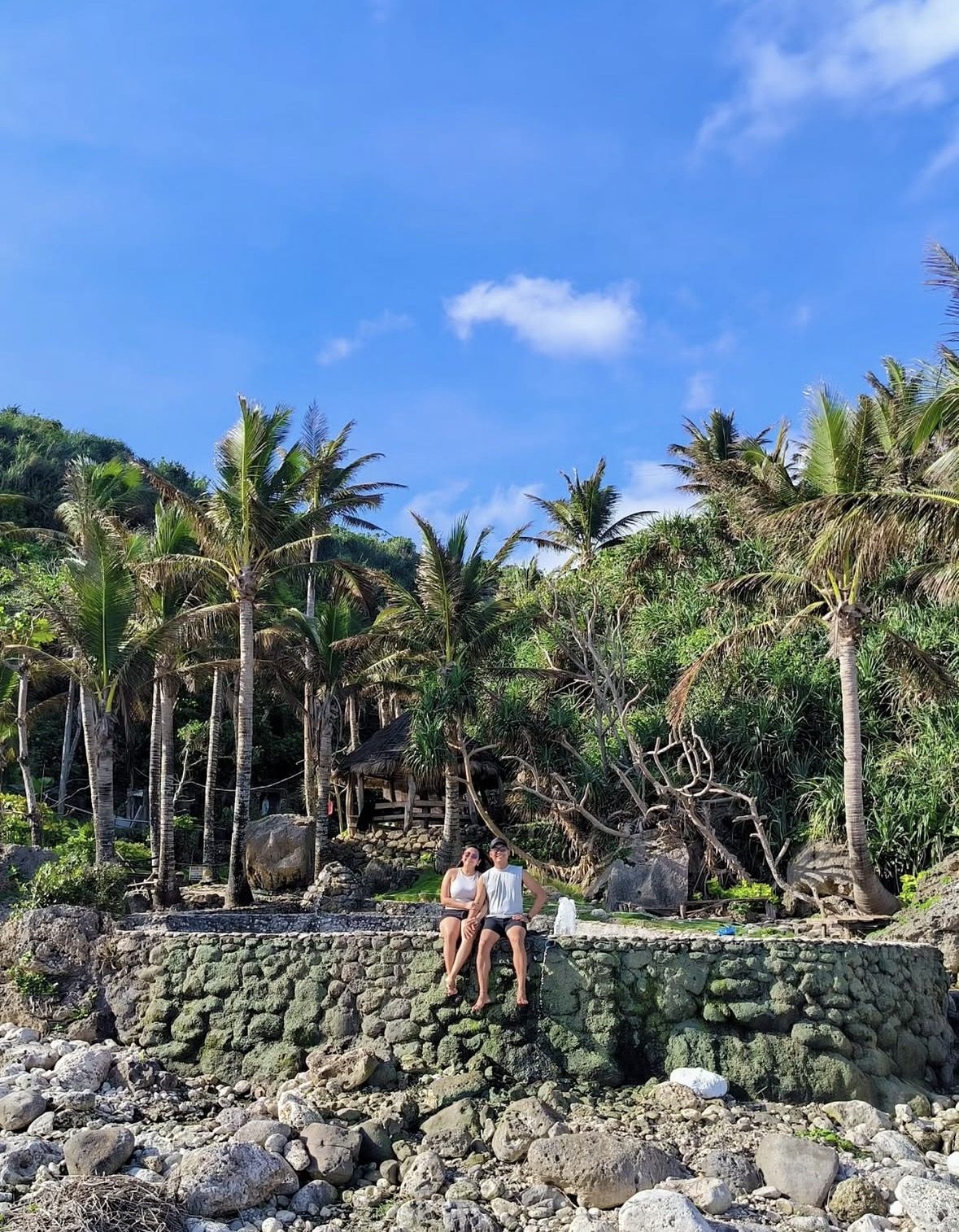
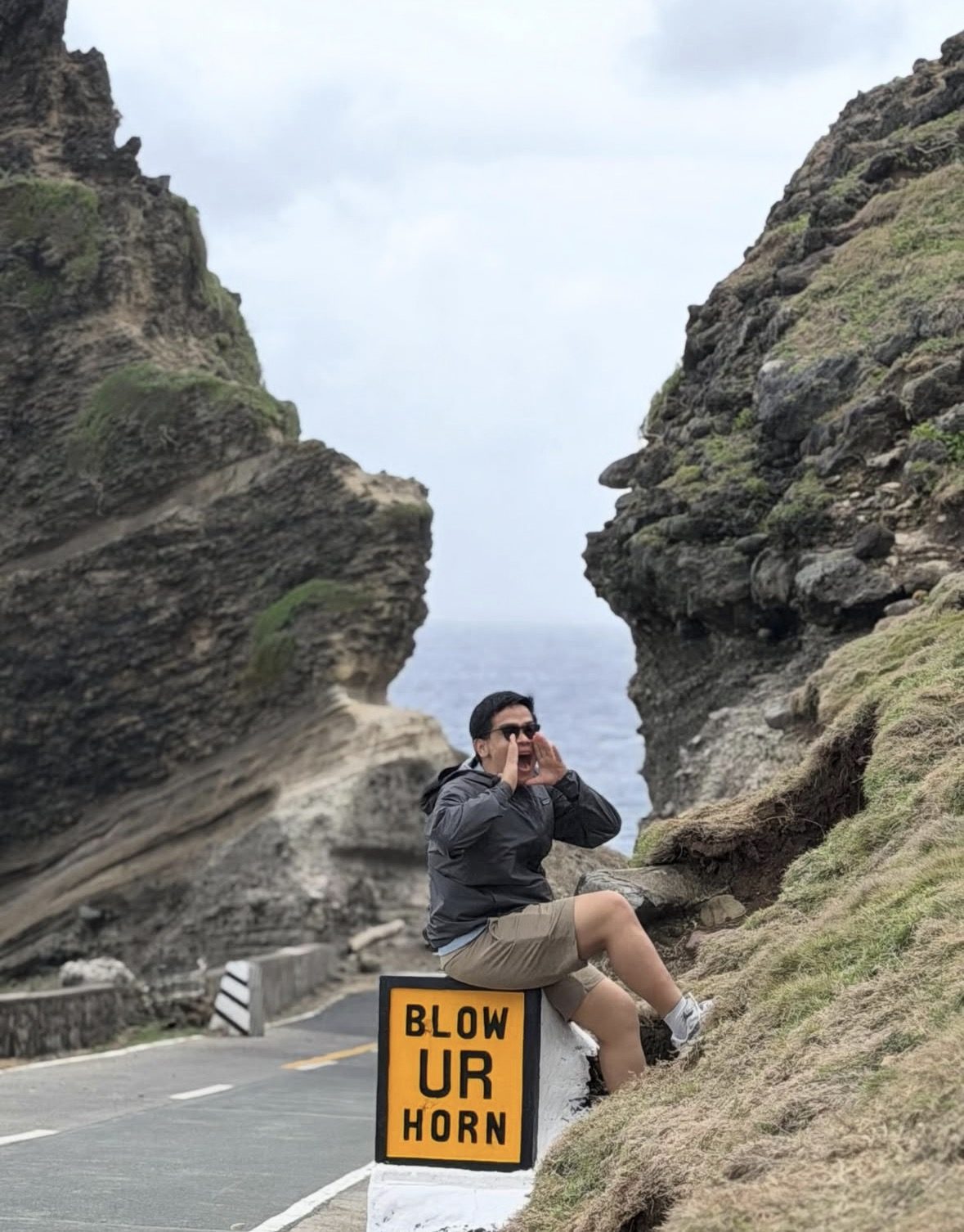
Today, Batanes remains one of the Philippines' most extraordinary and carefully preserved travel destinations. The province is home to roughly 20,000 residents spread across the inhabited islands of Batan, Sabtang, and Itbayat, all of whom maintain a quality of life rooted in Ivatan tradition while navigating the realities of the 21st century. Heritage villages like Chavayan and Savidug on Sabtang Island continue to be inhabited by families living in ancestral stone houses, making them among the rarest examples of a genuinely lived-in cultural landscape in Asia. Local government and community organizations actively balance tourism growth with preservation, ensuring that visitor arrivals enhance rather than erode the culture that makes Batanes irreplaceable.
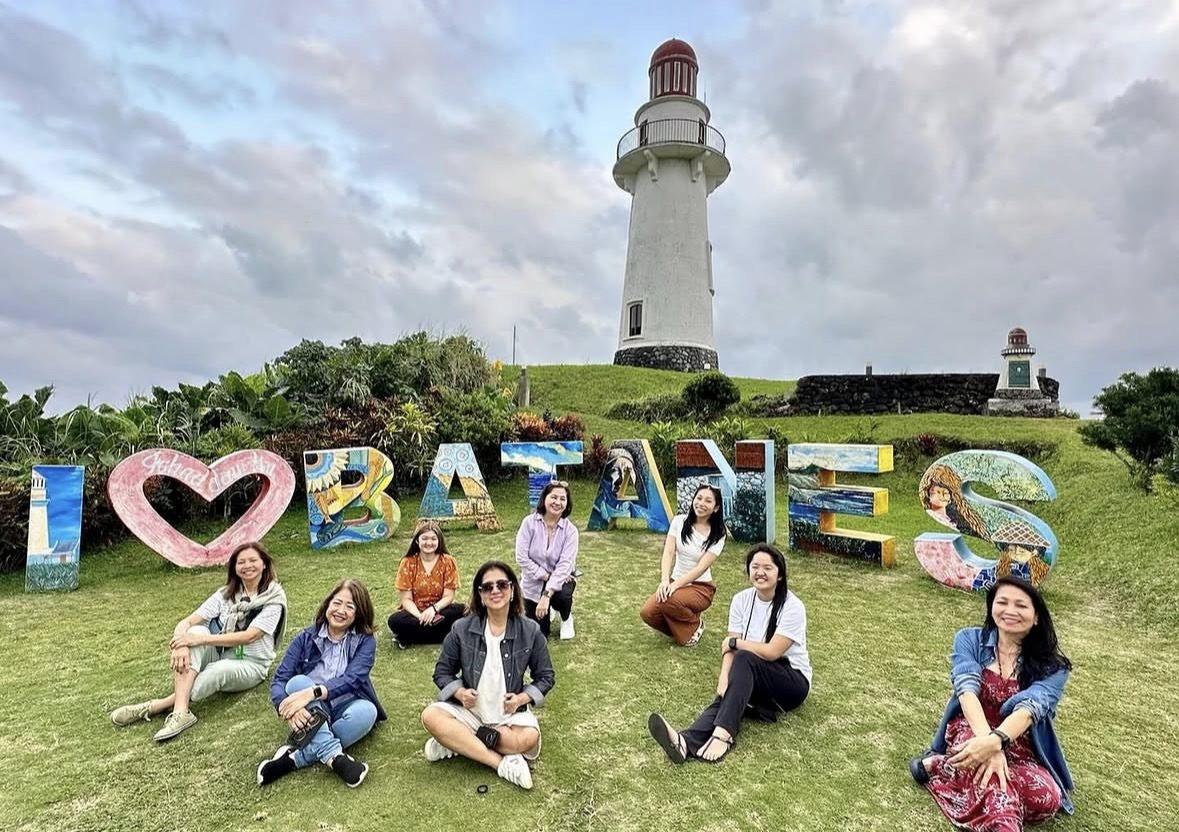
Visitors to Batanes today encounter a destination unlike any other in Southeast Asia — a place where rolling hills carpeted in emerald grass meet the crashing Pacific, where stone lighthouses stand sentinel over violent straits, and where a local fisherman's greeting carries the warmth of a community that has survived everything nature and history could throw at it. Whether you explore the heritage trail of Sabtang by tricycle, hike the volcanic slopes of Mount Iraya, stand at the edge of Vayang Rolling Hills as clouds race overhead, or share a meal of uvud and fresh tuna with an Ivatan family, Batanes delivers experiences that are profoundly human and deeply unforgettable. There is simply nowhere else on Earth quite like it.
Ready to Experience It Yourself?
Batanes is one of the last truly unspoiled destinations in Asia, and guided tours offer the deepest, most respectful way to experience its ancient culture and breathtaking landscapes. Browse our curated selection of Batanes island tours, complete with heritage village visits, Sabtang Island day trips, and expert local guides who bring the islands' extraordinary history to life. Book your adventure today and secure your place in one of travel's most extraordinary stories.
Book Your Tour Now